


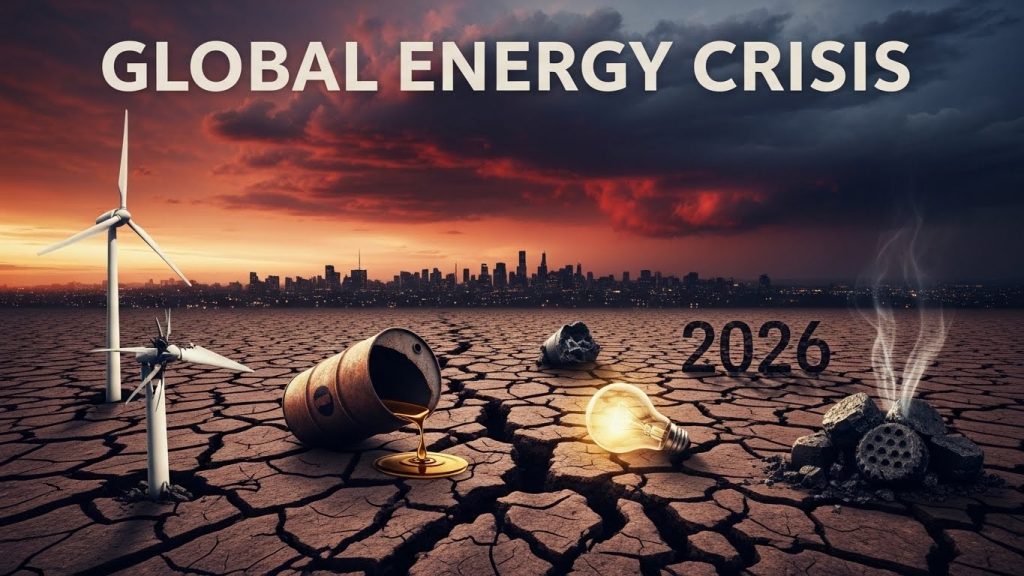
The year 2026 has brought one of the most serious energy challenges the world has faced in decades. Rising fuel prices, unstable supply chains, and geopolitical tensions have created a global energy crisis that affects households, industries, and governments alike. Nations are struggling to balance economic growth with the need for affordable and sustainable energy.
What Caused the 2026 Energy Crisis?
Several factors have contributed to the current situation:
- Disruptions in global oil and gas supply
- Increased demand after post-pandemic economic recovery
- Geopolitical conflicts affecting major energy producers
- Slow transition from fossil fuels to renewable energy
These combined issues have pushed electricity and fuel prices to record highs in many countries.
Economic and Social Impact
The Global Energy Crisis 2026 is not just about higher fuel bills. Its impact can be seen across different sectors:
- Households: Rising electricity and gas costs
- Industries: Higher production expenses
- Transportation: Increased travel and shipping prices
- Food sector: More expensive agriculture and distribution
Developing countries are facing the worst effects, as many people cannot afford basic energy needs.
Government Responses
Governments around the world are taking emergency measures:
- Subsidies on electricity and fuel
- Investment in renewable energy projects
- Agreements to secure alternative energy supplies
- Encouraging energy saving programs
However, experts warn that short-term solutions may not be enough.
The Role of Renewable Energy
The crisis has accelerated the shift toward:
- Solar and wind power
- Nuclear energy revival
- Hydrogen fuel research
- Smart energy grids
Many analysts believe 2026 could become a turning point for clean energy transformation.
Future Outlook
There are three possible paths ahead:
- Gradual Stabilization: Markets recover and prices fall
- Long-Term Shortages: Energy remains expensive for years
- Green Transition Boom: Rapid growth of renewable solutions
The decisions made today will shape global energy security for decades.
Conclusion
The Global Energy Crisis 2026 has shown how fragile the world’s energy system is. While the situation is difficult, it also offers an opportunity to build a cleaner and more reliable energy future. Cooperation between governments, businesses, and citizens will be essential to overcome this challenge.
FAQ Section
Q1: What is the Global Energy Crisis 2026?
A1: It is a worldwide shortage and price increase of energy caused by supply disruptions, high demand, and geopolitical tensions.
Q2: Which countries are most affected?
A2: Developing nations and energy-importing countries are facing the biggest economic pressure.
Q3: Will energy prices fall soon?
A3: Experts believe prices may stabilize, but a quick return to old levels is unlikely.
Q4: Can renewable energy solve the crisis?
A4: Renewable energy is a key long-term solution, but it requires time and investment.
Q5: How can ordinary people cope with the crisis?
A5: Saving energy, using efficient appliances, and supporting clean energy initiatives can help.