
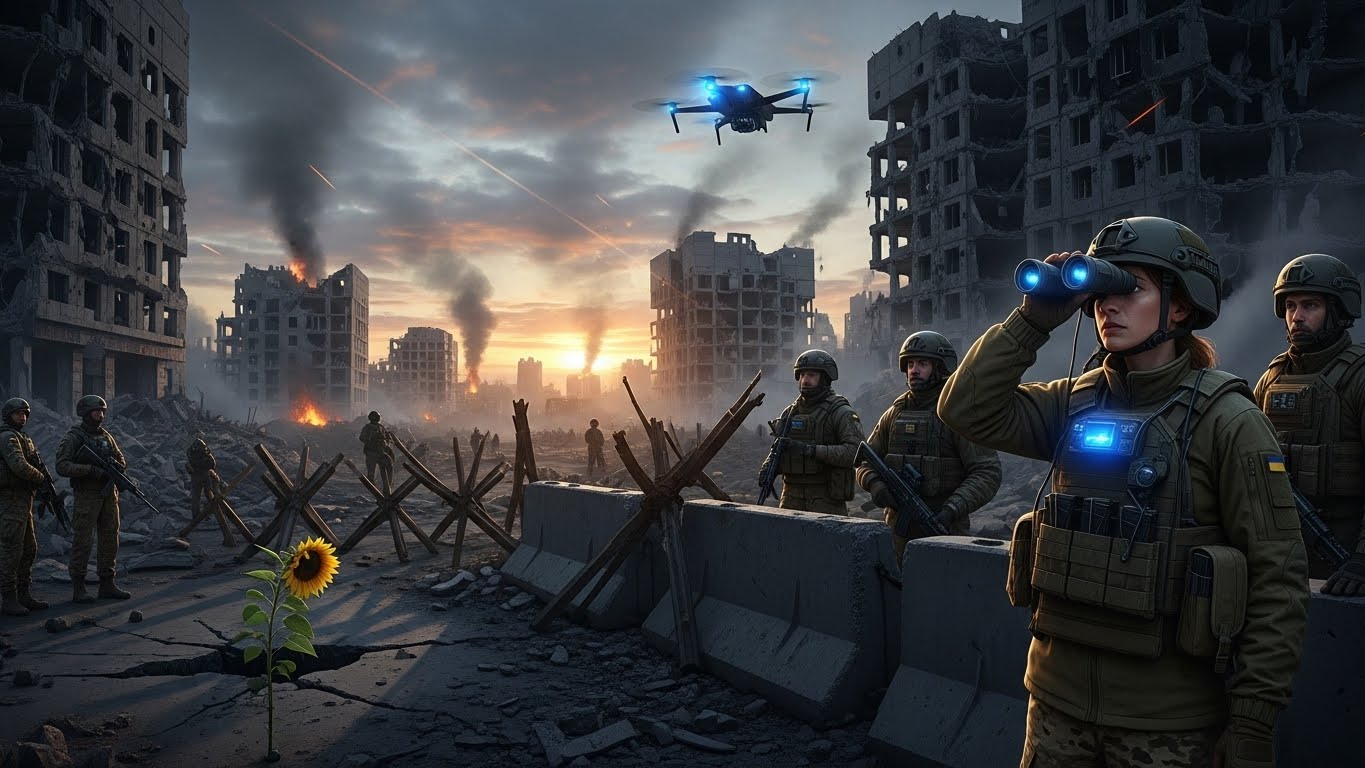
The Russia-Ukraine war has entered its fourth year, and despite international pressure, there are still no signs of a definitive resolution. The conflict continues to impact not only both countries but also global security, energy markets, and international politics. Recent developments in 2026 highlight intensified military actions, ongoing peace talks, and critical decisions by global powers.
Increased Military Tensions in 2026
Since the beginning of 2026, Russia has intensified attacks on Ukraine’s infrastructure, targeting electricity grids, energy facilities, and communication networks. Drone and missile strikes have caused civilian casualties and significant damage. Ukrainian officials reported that Russia aims to disrupt daily life, particularly during the harsh winter months.
Ukraine, supported by Western military aid, has strengthened its defense. Fierce clashes continue along the frontlines, with territories changing control multiple times.
Ongoing Peace Negotiations
Despite continued fighting, diplomatic efforts remain active. Ukrainian delegations have visited the United States and Europe to discuss sustainable ceasefires and long-term security guarantees.
Key points:
- Ukraine demands the withdrawal of Russian forces from occupied regions.
- Russia seeks international recognition of its security interests.
While progress has been slow, international mediators are actively trying to facilitate dialogue.
Global Impact
The war’s ongoing nature has far-reaching effects:
- Volatility in global energy markets
- Rising food and commodity prices
- Increased defense budgets and new military alliances in Europe
Analysts suggest 2026 could be a turning point, with either major military shifts or effective diplomatic solutions shaping the future.
What Lies Ahead?
Experts see three possible scenarios:
- Prolonged Conflict: Smaller skirmishes and limited territorial gains continue.
- Partial Ceasefire: Fighting stops in some regions without a full political resolution.
- Internationally Mediated Agreement: Global powers push for a negotiated peace settlement.
The war’s future depends heavily on upcoming military decisions and diplomatic negotiations.
Conclusion
The Russia-Ukraine war in 2026 is no longer just a regional conflict—it has become a focal point of global politics. While hope for peace remains, the reality is complex and uncertain. The coming months will determine whether the conflict escalates further or a path to peace emerges.
FAQ Section
Q1: How many casualties have been reported in 2026?
A1: While exact figures are unclear, reports indicate dozens of civilian casualties and significant military losses due to drone and missile attacks.
Q2: Are there ongoing peace talks?
A2: Yes. Ukrainian delegations have met with international representatives, including U.S. officials, to discuss possible ceasefires and security guarantees.
Q3: How is the global community affected?
A3: The war impacts energy prices, food supply, and defense policies worldwide. European countries are increasing military budgets, and international alliances are adjusting strategies.
Q4: What are the likely future scenarios?
A4: Analysts see three possibilities: prolonged conflict, partial ceasefire, or an internationally mediated peace agreement.
Q5: Is there any hope for a full peace settlement in 2026?
A5: While diplomatic efforts are ongoing, a full peace settlement is uncertain and depends on political and military developments in the coming months.