


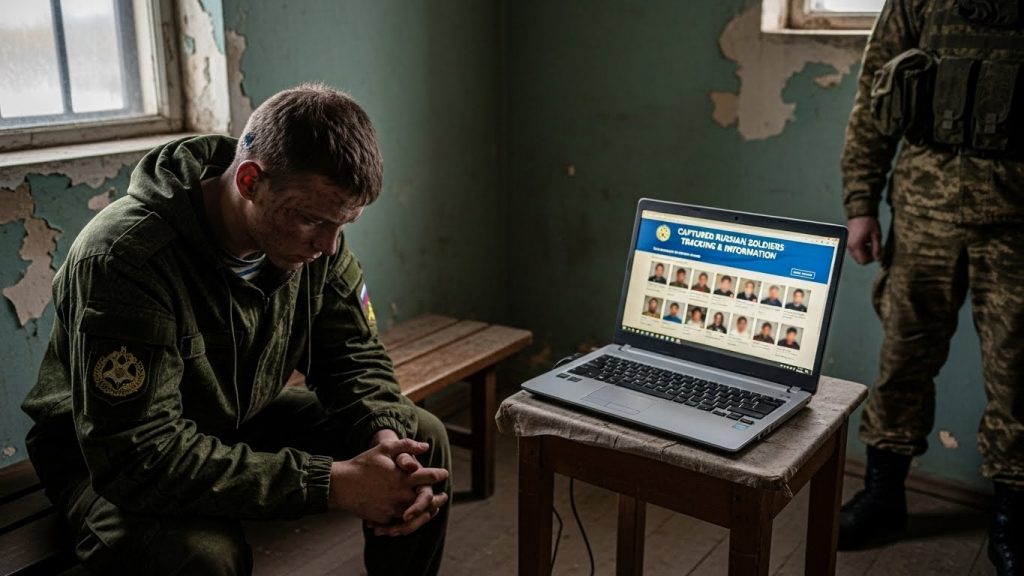
The war between Russia and Ukraine has generated not only intense fighting on the battlefield but also a massive information struggle online. One of the most important digital developments during this conflict has been the emergence of websites tracking captured Russian soldiers. These platforms play a crucial role in transparency, humanitarian communication, and countering misinformation.
In the modern era of warfare, information travels almost as fast as bullets. Websites documenting captured Russian soldiers have become powerful tools for families, journalists, human rights organizations, and governments trying to understand the real human cost of the conflict. This article explores the role of websites tracking captured Russian soldiers in the Ukraine conflict, how they work, why they matter, and the challenges they face.
Introduction
As the Ukraine conflict escalated, thousands of Russian soldiers were reported missing, captured, or detained. Families inside Russia often struggled to find reliable information about their loved ones. At the same time, official statements from governments on both sides were limited, delayed, or politically influenced.
This gap led to the creation of independent and semi-official websites tracking captured Russian soldiers, offering verified information, photos, names, and sometimes video evidence. These platforms aim to provide transparency, humanitarian accountability, and factual clarity in a highly emotional and politically sensitive war.
Understanding the role of these websites helps explain how digital tools are reshaping modern warfare, public awareness, and international accountability.
What Are Websites Tracking Captured Russian Soldiers?
Websites tracking captured Russian soldiers are online platforms that collect, verify, and publish information about Russian military personnel who have been taken prisoner by Ukrainian forces.
Key Functions of These Websites
- Listing names and military units of captured soldiers
- Publishing photos or videos (often blurred for privacy)
- Confirming prisoner-of-war (POW) status
- Providing contact pathways for families
- Countering false claims about missing soldiers
These platforms may be run by journalists, OSINT (open-source intelligence) investigators, human rights groups, or Ukrainian government-affiliated initiatives.
Why These Websites Emerged During the Ukraine Conflict
1. Lack of Official Transparency
One of the biggest drivers behind these websites is the limited release of information by official Russian sources. Families often receive little to no confirmation when soldiers go missing.
As a result, independent websites stepped in to fill this information vacuum.
2. Humanitarian Responsibility
International humanitarian law requires humane treatment of prisoners of war and communication with their families. Websites tracking captured Russian soldiers help demonstrate compliance with these obligations.
3. Countering Disinformation
The Ukraine conflict has been marked by heavy propaganda. These websites provide verifiable evidence that challenges false narratives, such as claims that no soldiers were captured or that certain units never entered combat.
How Websites Track Captured Russian Soldiers
Step-by-Step Process
Most reputable platforms follow a structured verification process:
- Initial Capture Confirmation
Information is gathered from battlefield reports, official Ukrainian statements, or POW exchanges. - Identity Verification
Names, ranks, and units are cross-checked using documents, interviews, or open-source records. - Privacy Measures
Sensitive details are blurred or limited to protect prisoners’ rights. - Publication
Verified information is published with clear disclaimers and update timestamps. - Ongoing Updates
Status changes such as exchanges, releases, or transfers are added when confirmed.
Benefits of Websites Tracking Captured Russian Soldiers
These platforms serve multiple critical purposes.
For Families
- Confirmation that a soldier is alive
- Reduced uncertainty and psychological stress
- Clearer pathways for official inquiries
For Journalists and Researchers
- Reliable data for reporting
- Verification of battlefield claims
- Long-term documentation of the conflict
For Human Rights Organizations
- Monitoring compliance with POW treatment laws
- Evidence collection for future investigations
- Accountability and transparency
For the Global Public
- Greater understanding of the war’s human cost
- Reduced reliance on propaganda
- Increased trust in verified information
The Role of OSINT in Tracking Captured Soldiers
Open-source intelligence (OSINT) plays a central role in these websites.
Common OSINT Sources
- Social media posts
- Military documents found on the battlefield
- Interviews with captured soldiers
- Family appeals and court records
OSINT analysts cross-reference multiple sources to minimize errors and misinformation.
| OSINT Method | Purpose | Reliability |
|---|---|---|
| Social media analysis | Identify individuals | Medium |
| Document verification | Confirm identity | High |
| Video/photo evidence | Visual confirmation | High |
| Family confirmations | Status updates | Medium-High |
Ethical and Legal Considerations
Respecting Prisoner Rights
Publishing information about captured soldiers must comply with international humanitarian law. Ethical websites avoid:
- Humiliation or mockery
- Forced confessions
- Excessive personal data exposure
Balancing Transparency and Privacy
One of the biggest challenges is balancing public interest with the rights and dignity of prisoners of war.
Responsible platforms clearly state that content is shared for humanitarian and informational purposes only.
Common Mistakes Made by Unreliable Websites
Not all websites tracking captured Russian soldiers are trustworthy. Common problems include:
- Publishing unverified names
- Using outdated information
- Mixing rumors with facts
- Sensationalizing prisoner images
- Ignoring privacy protections
Readers should always check whether a website explains its verification process.
How These Websites Impact the Information War
The Ukraine conflict is also an information war. Websites tracking captured Russian soldiers influence this battle in several ways:
Reducing Misinformation
Verified data makes it harder for false narratives to spread unchecked.
Strengthening International Awareness
Global audiences gain access to evidence-based reporting rather than political messaging.
Increasing Accountability
Documented records may later support war crime investigations or humanitarian reviews.
Challenges Faced by These Websites
Despite their importance, these platforms face serious challenges:
- Cyberattacks and takedown attempts
- Legal threats and censorship
- Rapidly changing battlefield conditions
- Emotional pressure from families and audiences
Maintaining accuracy while working under these pressures requires strong editorial standards.
Real-World Examples of Impact
- Families discovering that missing soldiers are alive and in custody
- Journalists confirming POW exchanges through online records
- Human rights organizations referencing digital databases in reports
These examples highlight how digital documentation has become a modern humanitarian tool.
Frequently Asked Questions (FAQs)
1. Are websites tracking captured Russian soldiers official sources?
Some are government-affiliated, while others are independent or journalistic platforms.
2. How accurate is the information on these websites?
Accuracy varies. Reputable sites use multi-source verification and clear disclaimers.
3. Do these websites violate prisoner rights?
Ethical platforms follow international law and avoid exposing sensitive personal data.
4. Can families contact captured soldiers through these websites?
Some platforms provide guidance on official channels, but direct contact is rare.
5. Why doesn’t Russia provide this information itself?
Military secrecy, political considerations, and wartime censorship limit official disclosures.
6. Will these websites remain relevant after the war?
Yes. They may serve as historical records and sources for future investigations.
Conclusion
The role of websites tracking captured Russian soldiers in the Ukraine conflict highlights how digital tools have transformed modern warfare. These platforms bridge information gaps, support humanitarian transparency, and counter misinformation in a highly complex and emotional conflict.
While challenges remain, responsible websites provide immense value to families, researchers, journalists, and the global public. As wars increasingly unfold both on the ground and online, such platforms will continue to shape how conflicts are documented, understood, and remembered.